01 // DRIVER FITConsider Before Buying
Driver Fit
What sizes are stated, and can the working tip be replaced? Compare the listing with the screws involved in your task.
Listing ChecklistLook for stated tip dimensions and replacement options.
Explore practical questions about tool fit, handling, replacement parts and the information a seller provides before choosing tools for your workbench.
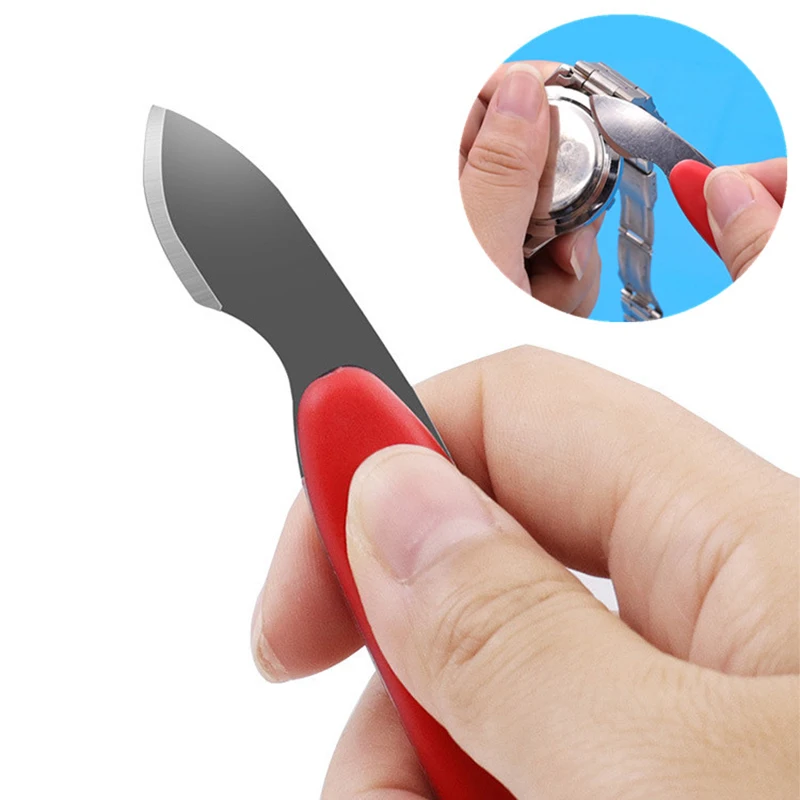
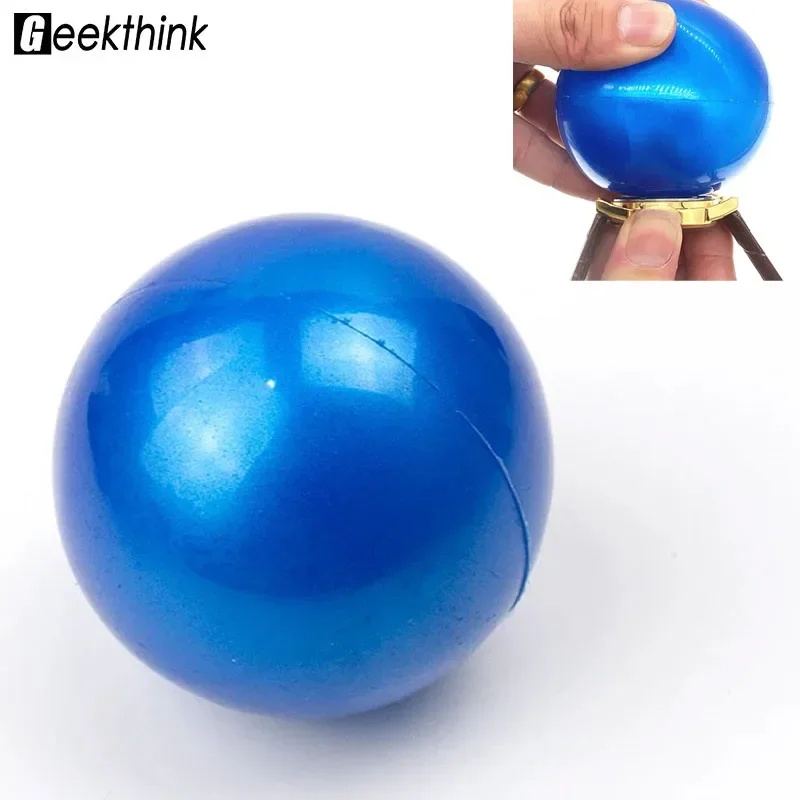
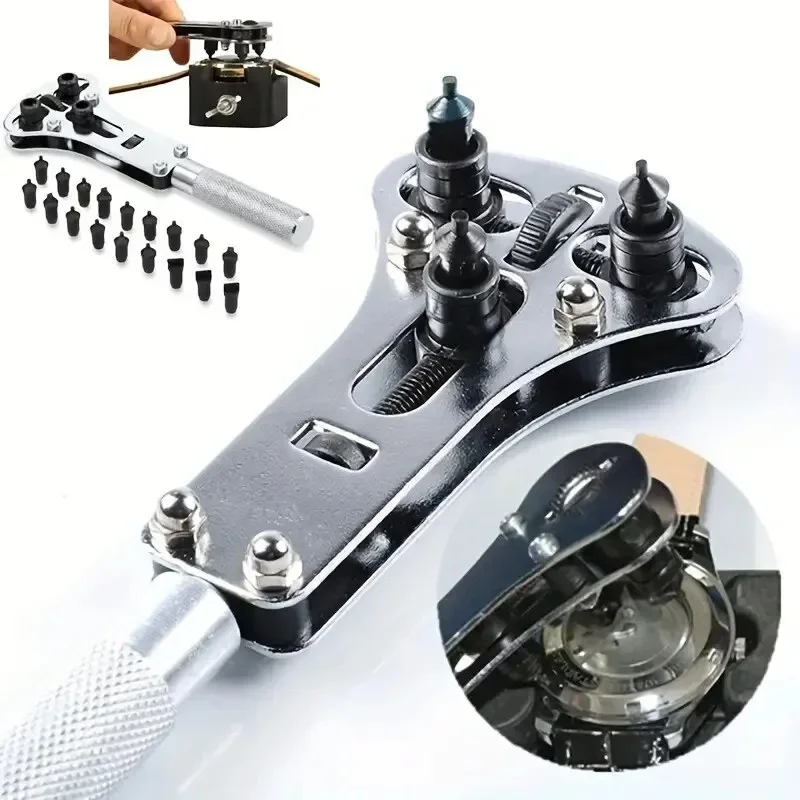

Start with the intended task. These prompts help organize a comparison without assuming that a product has been physically inspected.
What sizes are stated, and can the working tip be replaced? Compare the listing with the screws involved in your task.
What case types does the listing specify, and how is the work supported? Look for enough detail to judge suitability.
What material and tip shape are specified? Choose based on the intended use and explicit product information.
What fittings and sizes are included? Consider whether they suit the parts and access needed for the task.
Use these questions to compare the information in a listing. They are buying considerations, not findings from physical testing or a survey of sellers.
Read the latest guidance and compare the details that matter to your intended work.
Our editorial approach focuses on stated product information and useful buying questions. Listing analysis is not hands-on testing; information that is not provided should remain uncertain.
Look for clear dimensions, compatibility information and descriptions of what is included.
Separate explicit specifications from broad marketing language. Ask for clarification when important information is missing.
Match the tool to the intended work and your experience. Seek appropriate guidance before working on delicate components.